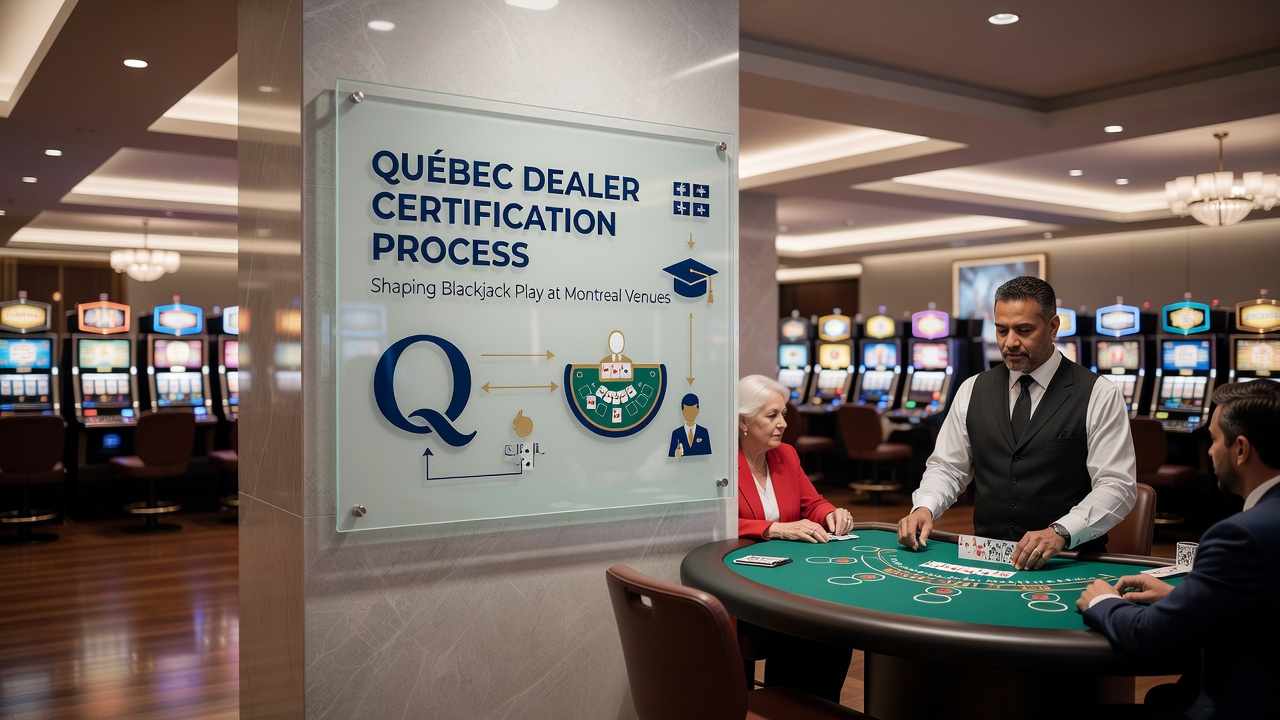
Quebec's Dealer Certification Process and Its Role in Shaping Blackjack Play at Montreal Venues
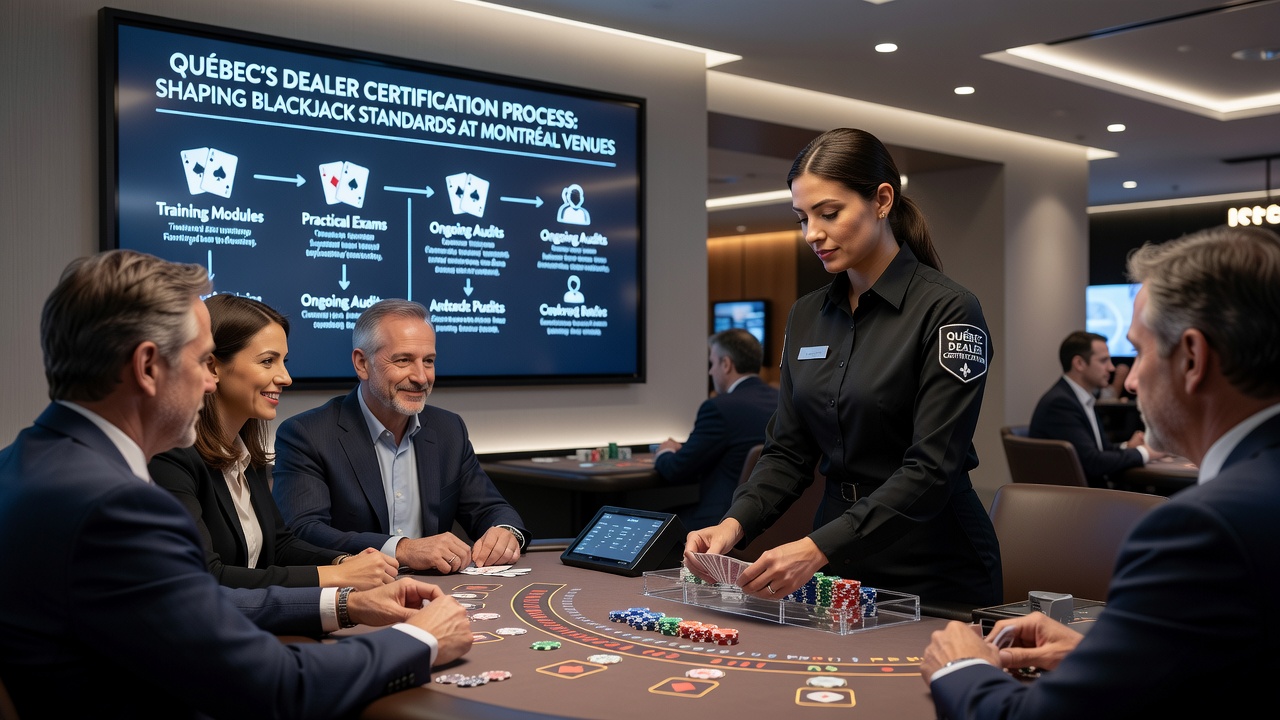
Quebec requires all casino dealers to complete a formal certification program administered by the Régie des alcools, des courses et des jeux before they can work at venues such as the Casino de Montréal, and this requirement extends to blackjack tables where specific rules govern card handling, payout accuracy, and player interaction. The process begins with applicants meeting age and background criteria, followed by enrollment in approved training courses that cover game mechanics, security protocols, and regulatory compliance, while the entire sequence typically spans several weeks of classroom instruction combined with supervised practical sessions.
Core Components of the Certification Pathway
Prospective dealers must demonstrate proficiency in blackjack procedures that include proper shoe management, shuffle techniques, and adherence to the house rules on splitting, doubling, and insurance bets, and successful completion leads to a provincial license that remains valid for a set period before renewal becomes necessary. Training providers deliver standardized curricula that emphasize both technical skills and ethical conduct, with instructors evaluating candidates through written tests and live table simulations that replicate real casino conditions, while observers note that these evaluations help maintain consistency across Montreal gaming floors.
Background checks form an integral part of the process because regulators review criminal records and financial histories to ensure integrity, and applicants who pass this stage advance to practical assessments where they handle multiple hands under timed conditions. Data from the Régie des alcools, des courses et des jeux shows that certification pass rates hover around established benchmarks each year, reflecting the rigorous standards applied to every participant.
Training Standards and Ongoing Requirements
Approved schools integrate modules on responsible gaming practices alongside core blackjack instruction, so dealers learn to recognize signs of problem behavior and follow reporting procedures without interrupting game flow. Refresher courses occur at regular intervals to keep licenses active, and any changes to provincial gaming statutes prompt immediate updates to the curriculum. New standards scheduled for implementation in August 2026 will introduce additional digital simulation components to the examination phase, allowing candidates to practice complex scenarios in virtual environments before facing live evaluations.
Influence on Blackjack Dynamics at Montreal Tables
Certified dealers apply uniform procedures that shape how rounds progress, from initial card deals to final payouts, and this consistency reduces disputes while supporting the pace expected at busy Montreal blackjack pits. Research indicates that standardized training correlates with fewer procedural errors, which in turn affects table hold percentages and overall game integrity. One study revealed that venues employing fully certified staff experience smoother operations during peak hours because dealers manage side bets and progressive jackpots according to precise guidelines.
Player strategies adapt to the predictable dealing rhythms that arise from certification protocols, and observers note that these patterns allow experienced participants to anticipate shuffle points and deck penetration levels more accurately. Montreal casinos maintain detailed logs of dealer performance metrics that feed back into the regulatory oversight system, creating a continuous improvement loop. Figures reveal that blackjack remains among the most popular table games partly because certification ensures transparent and rule-compliant execution at every session.
Regulatory Oversight and Compliance Mechanisms
The Régie conducts periodic audits of certified dealers at Montreal venues to verify ongoing adherence to established protocols, and any deviations trigger additional training mandates or temporary license suspensions. Industry reports from the Canadian Gaming Association highlight how such oversight supports broader responsible gaming frameworks across the province. Compliance extends to record-keeping practices where each dealer logs shift activities, and these records become accessible during regulatory reviews. External audits occasionally incorporate findings from academic research conducted at institutions like the University of Nevada, Las Vegas, which examines dealer training outcomes in comparable North American jurisdictions.
Conclusion
Quebec's dealer certification system establishes clear benchmarks that directly affect blackjack operations at Montreal venues through structured training, regular evaluations, and sustained regulatory monitoring, and upcoming adjustments effective in August 2026 will further refine these standards. The process ensures that every table maintains consistent procedural integrity while supporting the province's overall gaming framework.